Home / Blogs / Advanced IVF Research in India: Breakthr...
← All Blogs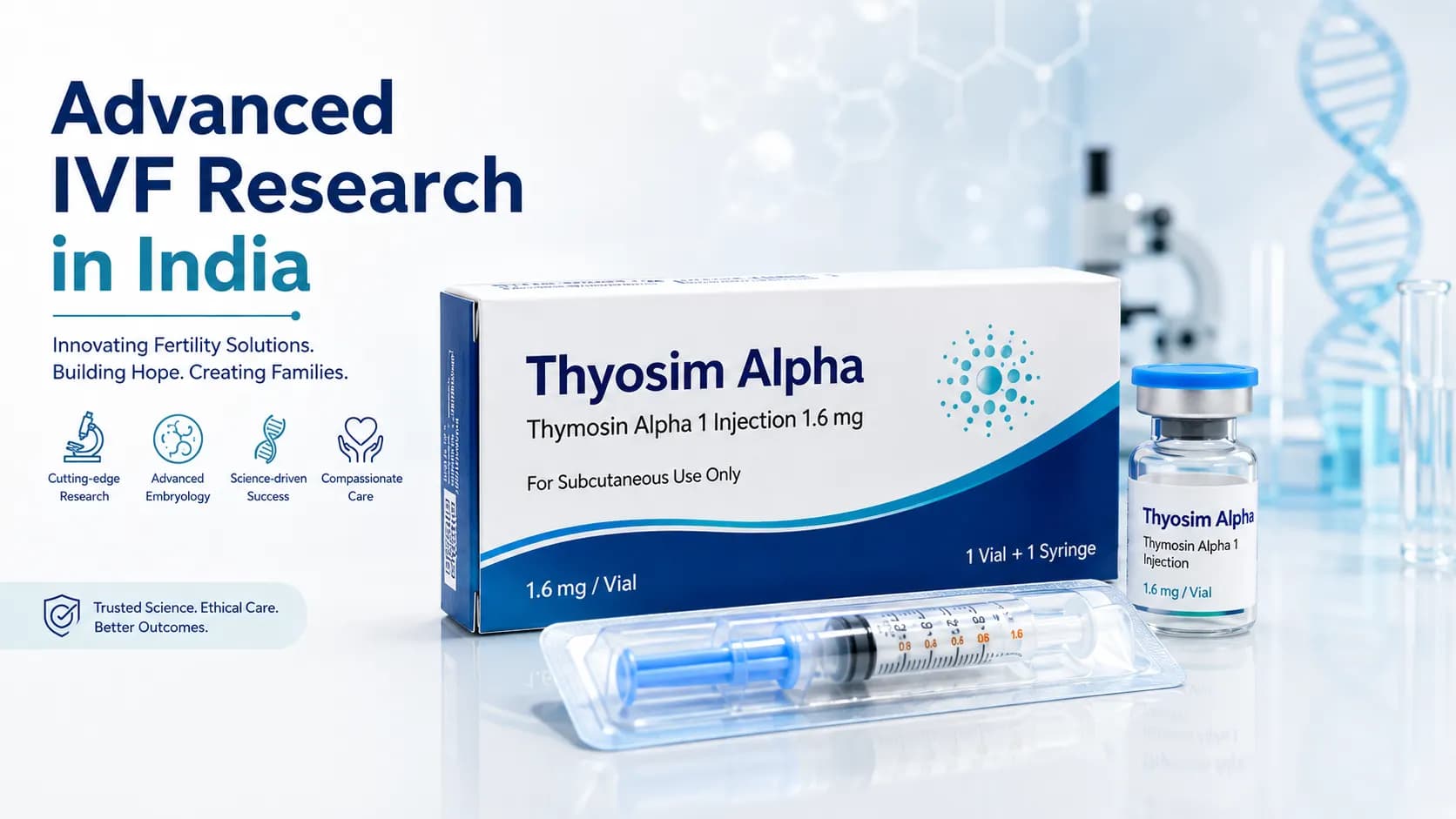
Advanced IVF Research in India: Breakthroughs Transforming Fertility Treatment
IVF is advancing at an extraordinary pace, offering new possibilities for couples facing infertility. These breakthroughs are not just scientific milestones; they are real pathways to parenthood. India’s fertility specialists are contributing significantly to global research, improving IVF success rates, embryo implantation, and overall pregnancy outcomes. As an IVF counsellor, I see how these developments bring clarity and renewed hope to patients. Modern IVF has moved beyond basic egg and sperm evaluation into a deeper understanding of how the body supports pregnancy. One of the most impactful areas driving this progress is reproductive immunology.The Immune System’s Role in IVF Success
A successful pregnancy depends on a finely balanced immune response. The immune system must protect the body while simultaneously allowing the embryo — a genetically unique entity — to implant and grow. When this balance is disrupted, implantation may fail, leading to repeated IVF failures or recurrent pregnancy loss.
Recent studies by Indian fertility experts highlight how immune‑modulating molecules such as Thymosin Alpha may help restore this balance. Thymosin Alpha is a naturally occurring hormone known for regulating immune function. Research suggests it may support embryo implantation by improving immune tolerance and reducing inflammation in women facing unexplained implantation failure.
For couples who have experienced multiple failed IVF cycles, this emerging science offers a new direction — one rooted in precision medicine rather than trial‑and‑error.
Why These Advancements Matter for IVF Patients
Every IVF cycle carries emotional, physical, and financial weight, and a failed attempt can leave patients feeling lost or discouraged. Today’s advanced research is helping IVF move from a one‑size‑fits‑all approach to truly personalized treatment, where hidden factors like immune imbalance can finally be identified and addressed.These breakthroughs help:
- Detect immune‑related causes of implantation failure
- Improve embryo acceptance and uterine receptivity
- Reduce recurrent pregnancy loss
- Enhance IVF success rates through targeted treatment
- Provide clarity to couples who previously had “unexplained infertility”
This evolution from conventional IVF to science‑driven, individualised fertility care is one of the most significant developments in reproductive medicine.
India’s Growing Leadership in Fertility Science
Indian fertility specialists are gaining global recognition for their work in reproductive immunology, embryo implantation research, and advanced IVF protocols. Their contributions are shaping international conversations and influencing clinical practices around the world.
This progress reflects India’s growing leadership in:
- Innovative IVF technologies
- Immunology‑based fertility treatments
- Research on recurrent implantation failure
- Studies on recurrent pregnancy loss
- Personalized reproductive medicine
For patients, this means access to world‑class expertise without needing to travel abroad. It means that the most advanced fertility solutions are being developed and practiced right here, making treatment more accessible, affordable, and effective.
The Human Impact of Scientific Progress
Behind every breakthrough are real families waiting for their miracle. As an IVF counsellor, I witness the resilience, fear, and hope that define every infertility journey.
New research offers:
- Hope to couples with repeated IVF failures
- Answers to women with unexplained implantation issues
- Solutions for recurrent pregnancy loss
- Better outcomes for patients who have “tried everything”
A More Hopeful Future for IVF
The future of IVF lies in deeper understanding — of the immune system, genetics, molecular biology, and the complex interactions that support pregnancy. With India’s fertility experts contributing significantly to global reproductive science, patients now have access to more advanced, more precise, and more hopeful treatment options.
For couples considering IVF or currently undergoing treatment, this is the most promising era in fertility care. Success rates are improving, diagnostic tools are becoming more accurate, and treatment plans are increasingly personalized.
Frequently Asked Questions (FAQ)
1. How does the immune system affect IVF success?
The immune system plays a crucial role in embryo implantation. If the immune response is imbalanced — either too weak or too aggressive — implantation may fail. Research in reproductive immunology helps identify and correct these issues, improving IVF outcomes.
2. What is Thymosin Alpha and how does it help in IVF?
Thymosin Alpha is a naturally occurring hormone that supports immune regulation. Studies suggest it may improve embryo implantation by enhancing immune tolerance and reducing inflammation in women with recurrent IVF failure.
3. Can immunology testing help women with repeated IVF failures?
Yes. Immunology testing can uncover hidden causes of implantation failure, especially in women with unexplained infertility or recurrent pregnancy loss. This allows doctors to create more personalized and effective treatment plans.
4. Is India advancing in IVF and fertility research?
Absolutely. Indian fertility specialists are contributing significantly to global reproductive science through advanced research, innovative technologies, and improved IVF protocols. India is becoming a leader in reproductive medicine.
5. Are personalized IVF treatments more effective?
Personalized IVF treatments address individual factors such as immune imbalance, hormonal variations, and uterine receptivity. This approach often leads to higher success rates compared to traditional one‑size‑fits‑all protocols.
6. Can new IVF research help couples who have “tried everything”?
Emerging studies in immunology, embryo implantation, and molecular biology offer new hope for couples with repeated IVF failures. These advancements open new treatment pathways that were not available earlier.